
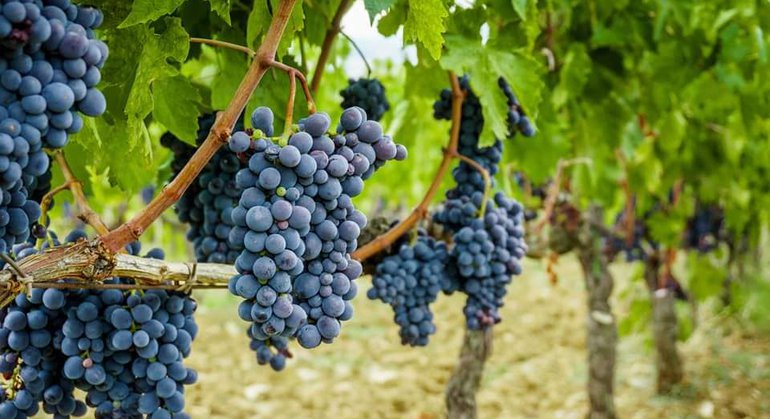

Grapes are well adapted to growing in a wide variety of climate conditions in Kenya. Although grapes can be a challenge to grow, the time invested in planting your grapes will ensure a bountiful harvest for many years to come. A single grapevine will produce up to 18 years of grapes annually and a properly maintained grape plant could last up to forty years!
Where are the ideal places to grow grapes in Kenya?
Grapes love a full sun, good drainage and air circulation. Grapes require a large area around the base of the plant, at least 8 feet, so be sure to pick areas with plenty of room for plants to spread out as well as a place where they can stay for a long time and grow freely.
Recommended Varieties of Grapes
Grapes can be grown just about anywhere, but they do differ greatly in their tolerance to disease, pests, and cold weather. The important thing is to select a variety that does well in your specific conditions. You can always contact denettols enterprise and our agronomist will guide you on varieties are best for your area. Some of the grape growing regions in Kenya include Naivasha, Mandera, Mombasa, Yatta, and Kibwezi.
Grape varieties that do well in Kenya
There is a wide assortment of grape varieties in the world, and many types in Kenya that can be classified into two distinct groups.
Table grapes – we use this group of grapes in making various meals for example as sweeteners in cakes. The most suitable scions of table grapes in kenya include Dodrilabi, Black rose, Italia, Muscat of Hamburg, Alphonse, LaSalle, Muscat of Alexandria, Perletta, Cardinal, Dalbiki.
Wine grapes – used specifically in the production of wine. Wine producing Scions include French colombard, Sauzao, Saungnok blank, Cabaret, Alicarte, Grenard, Semillon
Grape botany
The crop is a woody perennial vine having the stamina to live beyond 500 years.
Ecological Requirements for planting grapes
Soil requirements
Grapes are not particular about soil composition, planting depth, or fertilization. They will thrive in sandy or rocky soil but do require good drainage and air circulation. However excessively wet or dry soil should be avoided. Adequate soil preparation is essential since grapes have deep roots and are very long-lived plants. It’s always best practice to remove weeds and work compost into the soil before planting. You will want to cultivate a large area around the base of the plants (at least 8 feet in diameter). The roots of a single grapevine can spread out three to six feet from the base of the plant, and penetrate deep into the soil.
Planting Grapes
When to start seeds –
While it is possible to grow grapes from seed, it can be difficult. The best way to guarantee successful grape farming is by purchasing a seeding, made from cuttings or grafted onto a suitable rootstock.
When to start plants –
When purchasing grape seedling, choose plants that aren’t diseased, are well rooted, and at least one year old. It is important not to let the root ball dry out before planting.
How to plant Grapes –
- The first and most important step is to select a location for your vineyard. Choose a place that gets full sun and has good drainage and has plenty of room for your grapes vines to spread out.
- You also need to consider how you plan to train your grapes, for example, it may be practical to use stakes to support your vines.
- Be sure to till the soil well and add some sand or if you have a lot of clay in your soil to ensure good drainage. Dig a hole deep enough to comfortably place the root ball and cover the root ball completely with dirt.
The spacing of grape plants depends on how vigorous the particular variety of grapes are. There are grapes that grow with a so-called high vigor and some grow with a low vigor, which basically refers to the rate at which the canopy grows. If high vigor vines are planted too close they will run into each other and create a tangled mess. Low vigor vines planted too far apart will create gaps between plants and waste space in your backyard vineyard. Be sure to look up planting instructions for your specific variety. Generally speaking, grapevines should be planted approximately eight feet apart with eight to ten feet between rows for optimum productivity.
Grape pests & diseases
Keeping your grapes properly pruned and cleaning up grape leaves in the fall will help to decrease the number of overwintering pests. Cultivate around the base of each plant to turn up any pupae. Intercropping with coriander (dhania) can help attract bees to your grapevines
- Grape Berry Moths lay eggs directly on the grapes. The larvae will drill into the berries, leaving small holes and webbing in between the berries.
- Deer and birds can also devastate your grapevines. Use human or dog scent.
- Birds can also be a menace while growing grapes, Netting can be used to protect your plants from birds
Grape Diseases
- Mildew and fungus diseases are common among grape growers in humid areas. Symptoms of disease include discoloration of leaves, film on leaves, lesions on leaves or decay of berries. Seedless varieties are usually the most disease resistant.
- Powdery Mildew – white, powder-like substance on the leaves
- Downy Mildew – light green to yellow spots on leaves
- Black Rot – brown circular lesions on leaves
Diseases can vary depending on the county you live in and its highly advised you contact an agronomist or an extension officer.
Harvesting Grapes
Grapes change color long before they are ripe. To best judge when to harvest your grapes, have a taste! Grapes will not continue to ripen after they are picked. The longer they are on they stay on the vine, the sweeter they become. Grapes are full-colored long before they are ripe and do not continue to ripen once they are picked. Taste the grapes and pick them when they are at the desired sweetness.
Grape farming done right can guarantee excellent returns as many farmers have reported raking in millions from the fruit. Denettols enterprise supplies and delivers high quality grape seedlings as well as clear insight on how to correctly venture into grape farming.
ABOUT
Lorem ipsum dolor sit amet, consectetur adipiscing elit, sed do eiusmod tempor incididunt ut labore et dolore magna aliqua.
FIND
FEATURES POSTS
What you need to know to grow tissue culture bananas successfully Nov. 1, 2020 Growing mangoes the right way in Kenya Dec. 8, 2020 Growing the tree tomatoes in Kenya Dec. 15, 2020 A brief macadamia farming guide for the Kenyan farmer Dec. 22, 2020 Protecting and getting the most from your tree tomato fruit seedlings Dec. 29, 2020 Maximizing your macadamia produce in Kenya Jan. 5, 2021 Mango tree planting guide Jan. 12, 2021 What are tissue culture bananas and why are they best suited for Kenyan farmers Jan. 12, 2021 A starter Guide Grape farming in Kenya Jan. 19, 2021 Growing apples in kenya – The definitive guide Jan. 20, 2021 Growing strawberries – planting, growing, and harvesting strawberries Jan. 28, 2021 Growing the dragon fruit in Kenya, A complete beginners guide Jan. 13, 2021 The kiwi fruit farming guide for Kenyan